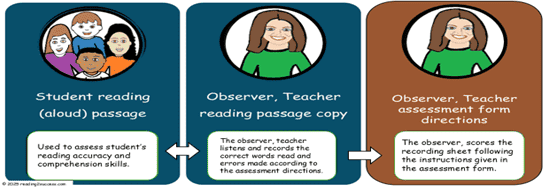
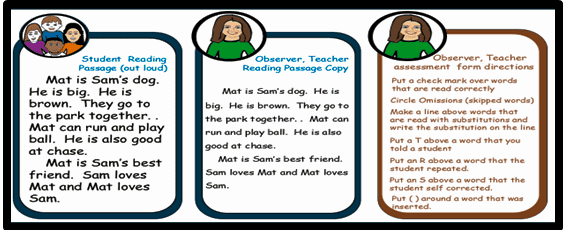
Benefits of Kids Reading Aloud/Promoting Reading at home
Benefits of Kids Reading Aloud is one of the simplest and most powerful ways to help children grow as readers. When kids use their voice to read, they strengthen important skills that support confidence, comprehension, and long-term reading success. Even a few minutes a day can make a meaningful difference.
How Reading Aloud Builds Confidence When kids read aloud, they practice sounding out words, correcting mistakes, and expressing themselves with smoother fluency. Hearing their own voice helps them trust themselves as readers. Reading aloud gives children a safe way to try new words, fix what doesn't sound right, and celebrate small wins. This confidence carries over into classroom reading and every day learning.
Quick Ways to Practice at Home
- Read a Short Page Together When kids choose a favorite section in a book to read aloud, they fell proud and supported. If they become stuck on a word, gently help them sound it out and then let them try it again. These small moments build confidence and fluency.
- Reread a Favorite Sentence. After your child finishes a page or a short passage, ask them to read one favorite sentence again. This quick reread strengthens accuracy builds memory for new words, and helps them feel proud of what they accomplished.

Listening to your child read aloud helps you understand their reading level and choose books that support their growth.
Benefits of Kids Reading Aloud
To determine what text level is the appropriate independent level for the child.
To determine what text level is the appropriate instructional level for the child.
To determine what reading skills to teach the child.
To keep a record of change overtime to monitor progress.
Running Records help teachers place children at the appropriate reading levels.
In the beginning of a new school year the expectation is lower than the ending of the previous grade because of summer and the new grade is more advanced.
|
Approximate Oral Reading Fluency Goals |
|
|---|---|
| Grade | Number of Correct Words Per Minute |
| Mid First | 20 – 45 |
| End of First | 40 – 60 |
| Early Second | 53 – 82 |
| Mid Second | 76 – 106 |
| End of Second | 94 – 124 |
| Early Third | 79 – 110 |
| Mid Third | 93 – 123 |
| End of Third | 114 – 142 |
| Early Fourth | 99 – 125 |
| Mid Fourth | 112 – 133 |
| End of Fourth | 118 – 145 |
| Early Fifth | 106 – 130 |
| Mid Fifth | 118 – 142 |
| End of Fifth | 125 – 155 |
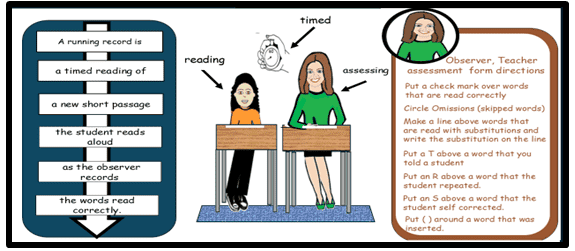
Running Records help teachers place children at the appropriate reading levels.