Grammar Advanced Sentence Structures / verb tenses and root words
Grammar Advanced Sentence Structures Teaches Children How Words Change When different parts are added. removed, or modified. Understanding these patterns helps kids read more confidently because they can break words they can words into meaningful pieces. When children learn how plurals, verb tenses, prefixes. suffixes, and root words work together, they begin to see that words follow predictable rules. These rules make reading and writing easier, especially as texts become more complex.
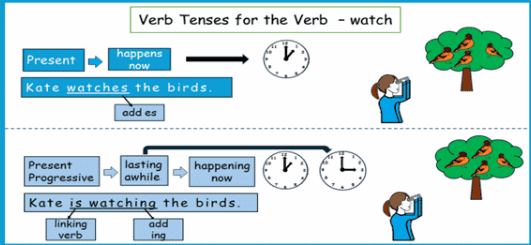
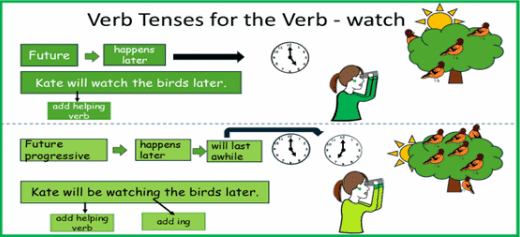
Advance Word Sentence Structures: Plurals Kids first learn that most nouns become plural by adding -s but words ending in ch, sh, s, x or z need -es to sound natural. They also discover how verbs change to show time. When a verb ends with a consonant before y to i and add -es or -ed, depending on the tense. These small shifts help children understand when actions happen in a sentence.
Advance Word Sentence Structures: Prefixes and Suffixes Prefixes and suffices are another important part of advanced word structure. Prefixes attach to the beginning of root words to change meaning. For example, adding un- to kind creates unkind meaning not kind.
Suffixes attach to the end of root words and can change a word's job or tense. Adding -er to teach creates teacher, a noun that names someone who teaches. Adding -er to adjectives like fast makes faster and small makes smaller helps children s. When a verb ends with a consonant before y. Kids learn to change the y to i and add -es for present tense or -ed for past tense. This helps children understand how verbs shift to show time.
Root Words tie everything together. When children understand the base meaning of a word, they can use prefixes and suffixes to figure out new words quickly. Advanced Word structure gives kids the tools they need to decode unfamiliar words and read with confidence.